
The Echo Chamber Trap:
How Social Media Feeds Our Biases and Who Really Benefits

So, I made the mistake of going down the Reddit rabbit hole recently, and let me tell you—I won’t be doing that again anytime soon. What I found was a sad cacophony of censorship, state-sponsored propaganda, and a heavy-handed attempt to steer public opinion. It’s like a digital echo chamber where only certain voices are allowed to be heard.
Scrolling through, you’d think there was only one acceptable viewpoint: all hail Kamala (and yes, even Obama still gets plenty of spotlight). It’s not exactly subtle—it almost feels like a constant reminder of who’s really pulling the strings behind the curtain. And don’t even get me started on the one-sided attacks. If you so much as hint at anything outside the “Trump is fascist” narrative or mention anything remotely nuanced, you’re drowned out, if not outright shut down.
It’s honestly disheartening. I can’t imagine spending any amount of time there and feeling genuinely informed. For those who do, I genuinely feel sorry. It's a digital minefield where open conversation feels like a distant memory.
Have you ever wondered sometimes when you open certain social media apps, it feels like you’re seeing the same messages over and over? That’s no accident—it’s the echo chamber effect, in full force, fueled by confirmation bias and often manipulated by powers behind the scenes.
Confirmation Bias: Why We Only See What We Want to See
Social media algorithms are expertly crafted to serve us content that reinforces what we already believe. This isn’t just about “keeping you engaged” (though that’s what they’ll tell you). When you’re constantly seeing posts that mirror your own beliefs, your brain gets a little dopamine hit. And just like that, a habit forms: click, scroll, confirm, repeat. This cycle gives the illusion that your views are the only “sane” views out there, that the world at large agrees with you.
But here’s the truth—these platforms are only showing you a carefully curated slice of reality. When the same voices echo back to us, we become more isolated from other perspectives. This echo chamber might feel validating, but it actually stunts critical thinking and opens up a dangerous vulnerability for manipulation.
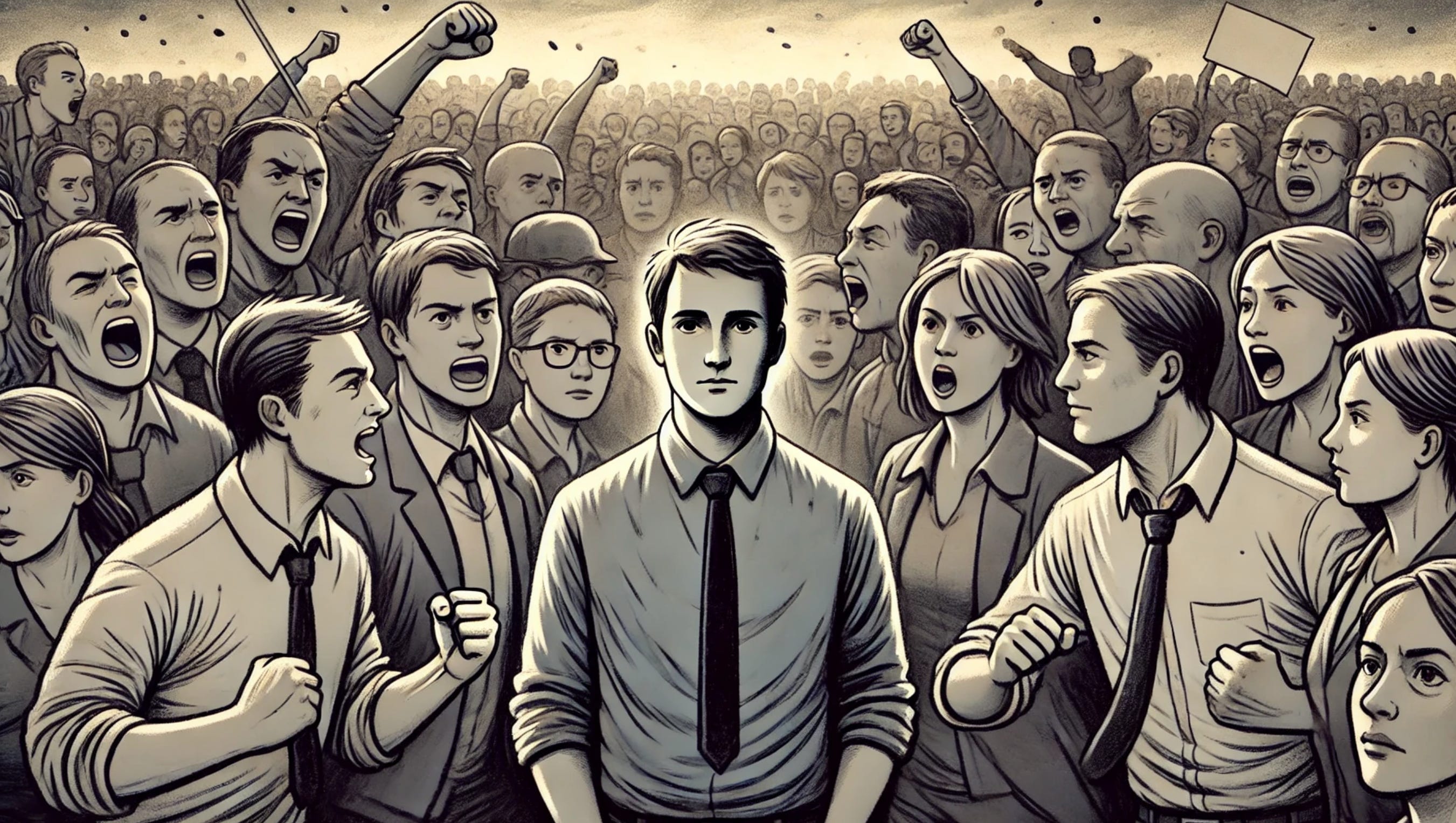
Echo Chambers: A Tool for Control
Echo chambers aren’t just byproducts of how we use social media—they are also intentional traps. People who rely solely on these digital spaces to shape their understanding become ripe targets for those looking to manipulate public opinion. With such control over what we see, platforms become ideal hunting grounds for political entities, fed agencies, and even global interest groups, who stand to benefit from keeping the general public divided, distracted, and, let’s be honest—uninformed.
When was the last time you saw a trending post with a balanced perspective on a controversial issue? Or a post that raised legitimate concerns about the mainstream narrative? You rarely do because that kind of content doesn’t “perform well” (translation: it doesn’t fit the narrative). Instead, these platforms are flooded with extreme takes, sensationalism, and attacks on any perspective that doesn’t align with a particular agenda.
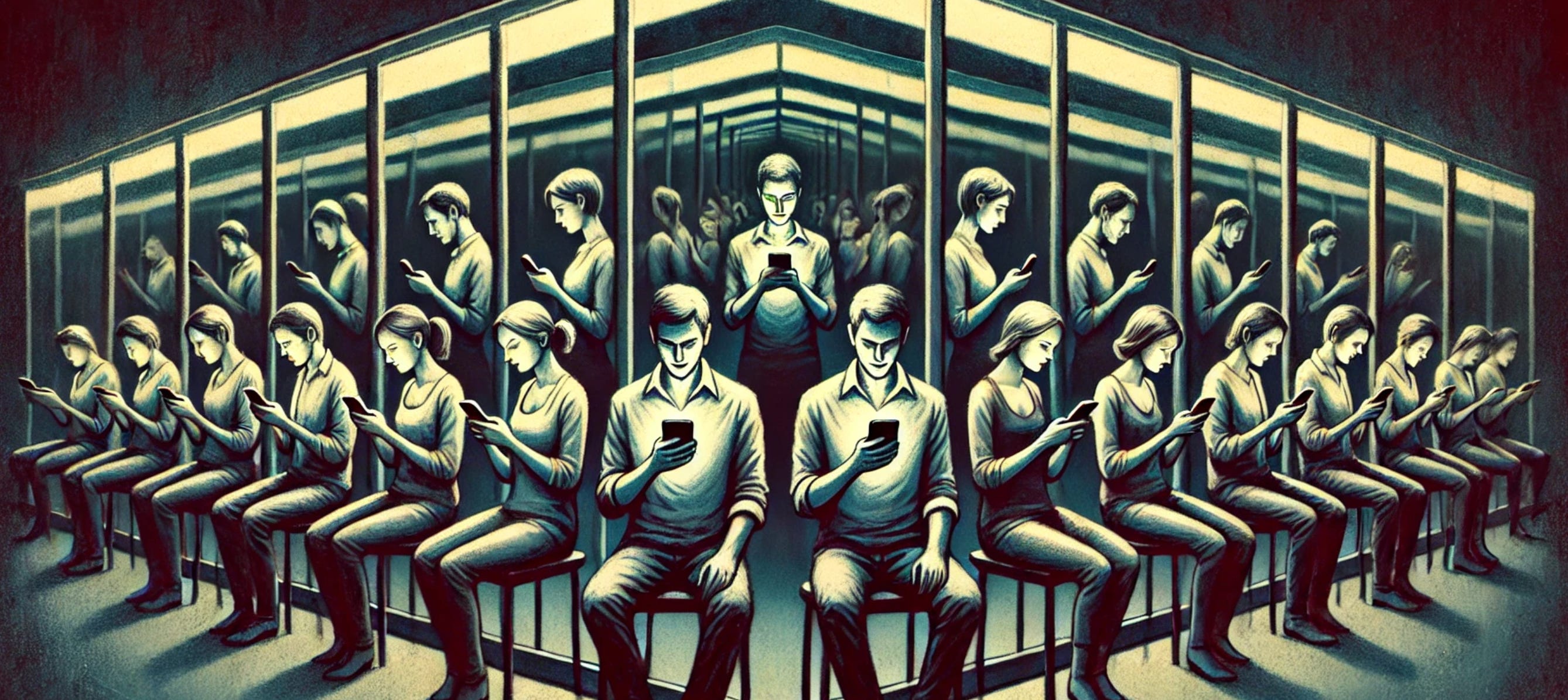
Echo chambers aren’t just accidents of design; they’re ripe for exploitation by those who stand to benefit from keeping the populace distracted or divided. Think about it—if you’re constantly fed a certain narrative, you’ll inevitably adopt that worldview, and that worldview might just align with the interests of those behind the curtain. Bot farms, troll armies, and even fed agencies can use these platforms to manipulate discussions, shift trends, and sway public opinion under the guise of “public sentiment.”
The strategy is subtle but effective. It’s no longer just about showing support for a candidate or pushing a political stance. It’s about warping the very definition of “truth,” manipulating it to serve a handful of interests while we’re kept blissfully unaware.
Why Echo Chambers Are Dangerous for the Mentally Vulnerable
For those who feel isolated, frustrated, or unsure, these echo chambers act like mental quicksand. They latch onto anger or frustration and amplify it until any sense of objectivity fades. It’s dangerous because it breeds extreme views, erodes critical thinking, and leaves people mentally isolated, unable to see past their feeds. And for anyone feeling lost or disconnected, these echo chambers make people easy targets for whoever’s pulling the strings.
The result? A generation of people who think they’re informed but are, in reality, controlled.
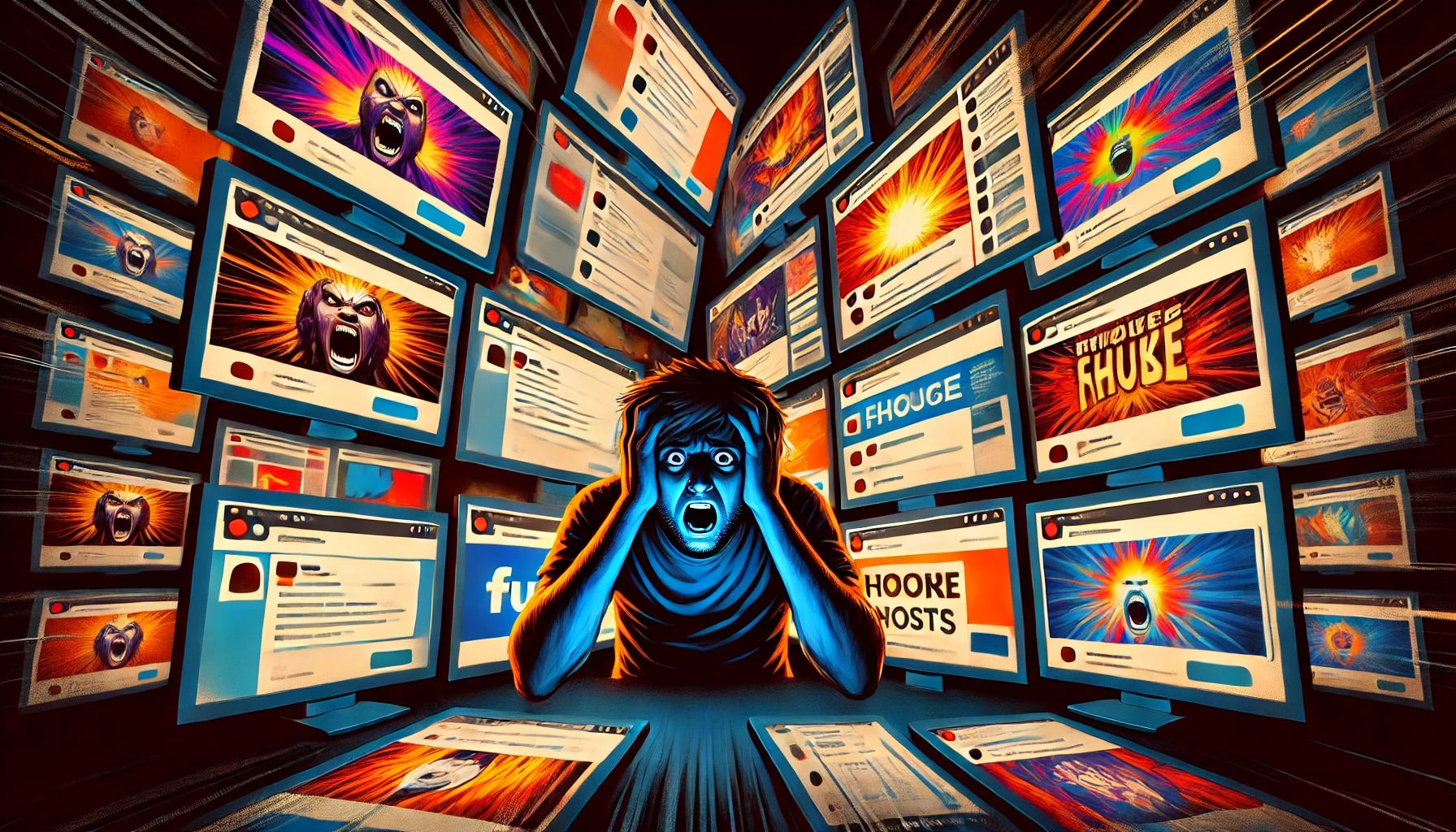
It’s Time to Break Out of the Echo Chamber
If you feel like you’re being steered into seeing only one side of things, it’s time to step back and question why. Who benefits from you staying stuck in one line of thinking? Diversify your sources, actively seek out different opinions, and practice critical thinking. The truth is often complex, nuanced, and doesn’t fit neatly into one worldview. If you’re only hearing one side, then you’re only seeing half of the truth.
Suggested Visual: A symbolic “mirror” breaking, showing different perspectives through the cracks, symbolizing breaking free from the echo chamber and seeing the world with fresh eyes.
Conclusion: Why Free Speech and Open Dialogue Are Vital for Society
In the end, nothing is more essential to individual growth and the health of a society than the freedom to think, speak, and engage in open dialogue. When people are encouraged to question, discuss, and debate, they develop resilience, broaden their perspectives, and grow mentally stronger. This open exchange of ideas has always been at the core of progress, enabling innovation, fostering empathy, and encouraging critical thinking. It’s no coincidence that societies where free speech thrives tend to be the most dynamic, diverse, and creative.
However, censorship threatens to undo this. By silencing alternative viewpoints and discouraging questions, censorship stifles thought and creates a culture where only certain perspectives are deemed “acceptable.” This is why censorship has always been the favorite tool of tyrants—those who seek control understand that free speech poses the greatest threat to their authority. By limiting what people can say and hear, they gain the power to shape how people think.
This is also why there’s been such a backlash against Elon Musk’s acquisition of Twitter. Twitter, long a carefully controlled space, was an incredibly effective tool for shaping narratives, reinforcing echo chambers, and silencing dissent. By making room for more perspectives and reducing the influence of censorship, Elon Musk has disrupted a critical platform for propaganda. He took away what had become the most powerful echo chamber, and that loss has rattled those who benefited most from the status quo.
At its core, free speech isn’t just a right—it’s a foundation for any society that values truth, resilience, and growth. By fighting for it, we ensure that future generations inherit a world where they can question, learn, and truly understand.